

Stephen Curry
View more
Dirk Nowitzki
View more
Kobe Bryant
View more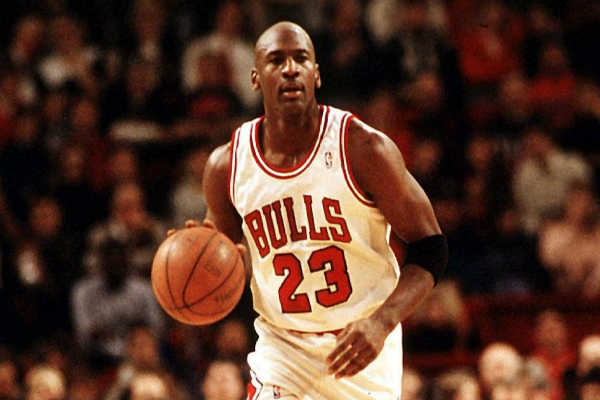
Michael Jordan
View more
Dwyane Wade
View moreThe San Antonio Spurs may have enough at point monitor for the 2017-18 NBA season.
At the point when players get postponed and don't get marked by different groups in the alliance.
We should not shrink away from the real issue, the Chicago Bulls are a wreck.
Throughout recent years, we've discussed the Nets picks like they [..].
Why Offensive Scheme Changes Matter for a Running Back Like Tevin Coleman
Tevin Coleman came into the NFL as an Atlanta Falcons draft pick out of Indiana, where he had built a reputation as a fast, big-play runner. In Atlanta he became part of a two-back rotation alongside Devonta Freeman, and that pairing is a useful lens for understanding how a change in offensive philosophy can reshape a player's role. When a team adjusts its playbook, a back's value is no longer measured only in carries. It also depends on how often he lines up in the slot, runs routes out of the backfield or stays in to protect the quarterback.
Coleman's speed made him a natural fit for outside-zone running, a scheme that asks backs to press the edge, read their blockers and cut upfield once a lane opens. In that kind of system, one decisive cut can be worth more than raw power between the tackles. His receiving ability also gave coordinators a way to create mismatches. A running back split wide or motioned out of the backfield can pull a linebacker into coverage, and that can open space for the rest of the offense.
Lessons that carry over to basketball
Fans who follow the Dallas metro basketball scene will recognise the same idea on the court. A coaching change or a new offensive set can turn a bench scorer into a primary option, or move a traditional big man out to the perimeter. Versatility tends to keep a player on the floor. A guard who can handle the ball, defend multiple positions and space the floor is the hoops equivalent of a running back who can block, catch and run.
- Role clarity: players tend to perform best when a scheme plays to their strengths.
- Rotation depth: sharing the workload can keep athletes fresher across a long season.
- Mismatch creation: moving players into unexpected spots forces the defence to adjust.
If you want to see how these principles show up in local games, check the current roster for player roles. The schedule lists upcoming game nights where you can watch rotations and lineup changes play out live.
Also on this site: Subscribe · Team · Mcapi.Class